
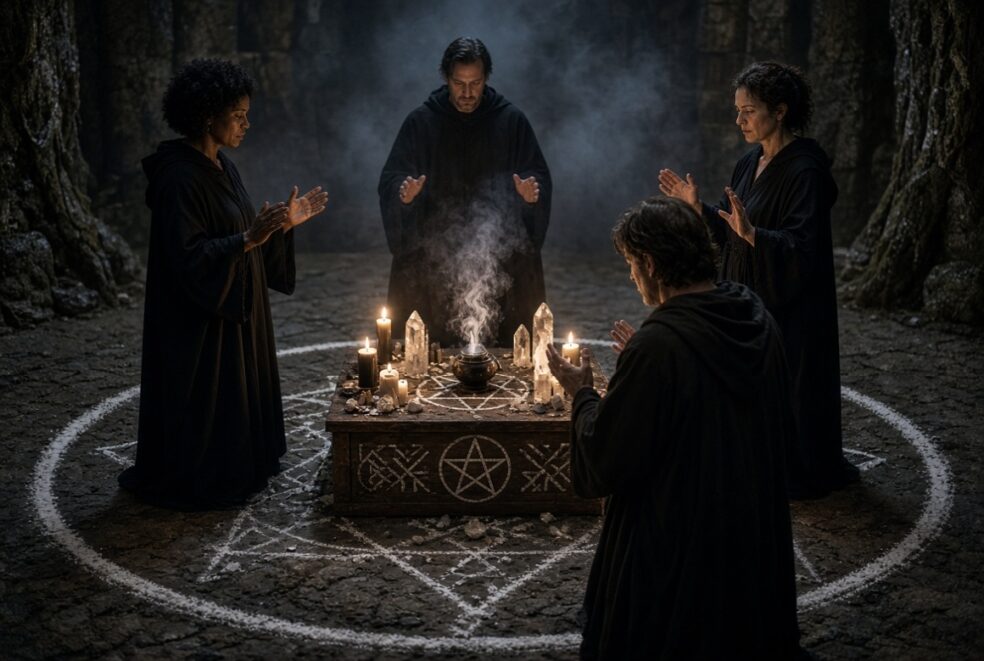
Przedsiębiorca z bestsellerowego poradnika o produktywności zaczyna każdy dzień od dokładnie tych samych pięciu czynności, w tej samej kolejności, zanim jeszcze spojrzy na pierwszego maila. Kandydat do loży wolnomularskiej staje z zawiązanymi oczami przed drzwiami, które otworzą się dopiero po wypowiedzeniu określonej formuły.
Różne rodzaje sensu. Do czego właściwie jest nam potrzebny?

„Sens” to jedno z tych słów, które rozumie każdy, dopóki nikt nie zapyta wprost, o co właściwie chodzi. Mówimy, że jakieś zdarzenie „nabrało sensu”, że czyjeś życie „ma sens”, albo że praca wykonywana od lat „nie ma najmniejszego sensu”. W każdym z tych zdań słowo brzmi identycznie, ale odnosi się do czegoś innego.
Magiczne myślenie i działanie a dobrostan

Ktoś, kto na co dzień szydzi z wiary w horoskopy, przed ważną prezentacją i tak sięga po ten sam długopis co zawsze. Ktoś inny, z tytułem doktora nauk ścisłych, obchodzi drabinę szerokim łukiem, nawet jeśli w tej samej rozmowie potrafi wyjaśnić, dlaczego to bez znaczenia. Na tym polega paradoks myślenia magicznego: nie jest domeną ludzi naiwnych czy słabo wykształconych.
Jak przestać przepraszać za wszystko? Rzecz o asertywności

Policz, ile razy w ciągu jednego zwyczajnego dnia powiedziałaś „przepraszam”. Nie tylko wtedy, gdy naprawdę kogoś zawiodłąś, ale też wtedy, gdy zadałąś pytanie na spotkaniu, poprosiłąś kogoś o przesunięcie się w autobusie, odpisałąś koleżance po trzech dniach zwłoki albo po prostu miałąś inne zdanie niż rozmówca.
Ezoteryka a psychoterapia

Trzy na dziesięciu dorosłych Amerykanów przynajmniej raz w roku sięga po horoskop, tarota albo radę wróżki, jak wynika z zeszłorocznego sondażu Pew Research Center (2025). W Polsce niemal połowa czytuje horoskopy, a co siódma osoba choć raz odwiedziła wróżkę, pokazuje sondaż CBOS (Dziwulska, 2018).
Arteterapia. Jaka jest skuteczność jej wybranych rodzajów?

Arteterapeuta to w Wielkiej Brytanii zawód regulowany prawnie: tytuł podlega obowiązkowej rejestracji w Health and Care Professions Council, na równi z fizjoterapeutą czy logopedą. W Polsce arteterapeuta figuruje wprawdzie w klasyfikacji zawodów i specjalności prowadzonej przez Ministerstwo Rodziny, Pracy i Polityki Społecznej, pod kodem 323013, nie ma jednak nadal odrębnych przepisów regulujących ten zawód.
Dlaczego dwa tygodnie urlopu nic nie zmieniły? Po trzech dniach w pracy jest jak przedtem…

Ostatni tydzień sierpnia ma w polskich biurach swój charakterystyczny rytm. Wraca ktoś opalony, ktoś inny pyta „i jak było”, ktoś trzeci pokazuje trzy zdjęcia z telefonu, zanim rozmowa i tak wróci do skrzynki mailowej, która czekała od dwóch tygodni. Ten rytuał ma jednak zaskakująco krótki termin ważności. W psychologii pracy zjawisko to ma nawet swoją nazwę: efekt wygaszania (fade-out effect).
Psychodeliki jako leki na depresję i traumę. Co naprawdę potwierdzają badania?
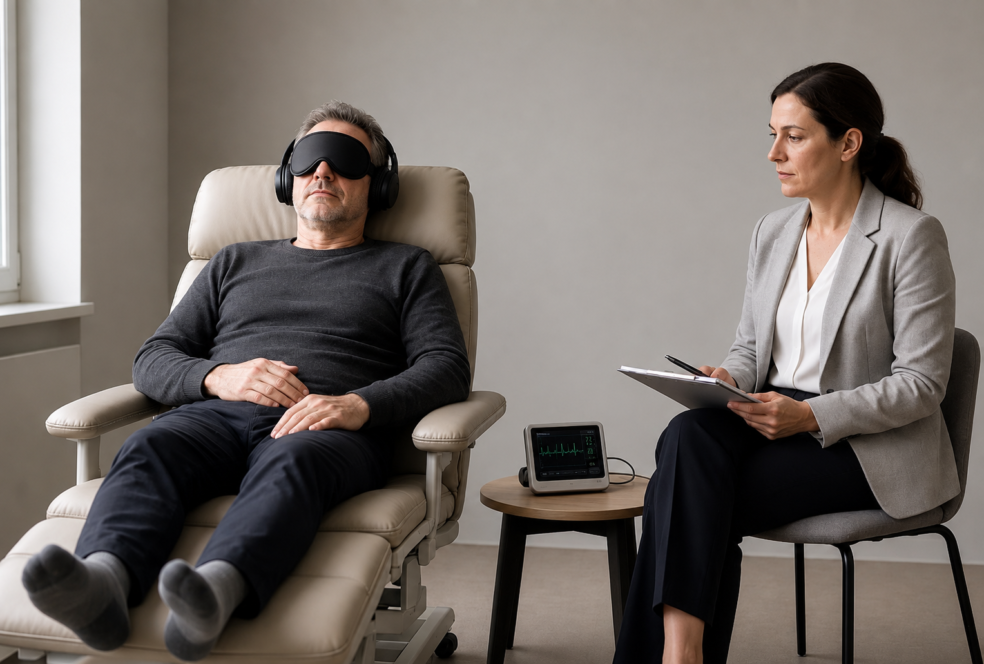
Rzadko która grupa substancji funkcjonuje dziś w tak rozdwojonej rzeczywistości jak psychodeliki. W polskim prawie psylocybina, LSD, MDMA i DMT figurują na liście substancji psychotropowych grupy I-P, a więc w kategorii zarezerwowanej dla środków, którym ustawodawca nie przyznaje żadnego uznanego zastosowania medycznego.
Lek na cukrzycę, o którym mówi cały świat. Co Ozempic naprawdę robi z ciałem i psychiką?

Wpisujesz w wyszukiwarkę słowo „Ozempic” i zanim trafisz na cokolwiek związanego z cukrzycą, przewijasz zdjęcia gwiazd przed i po, reklamy klinik odchudzania oraz wpisy ludzi relacjonujących efekty leku, o jakim jeszcze pięć lat temu słyszeli wyłącznie diabetolodzy.
Aromaterapia. Co z jej obietnic potwierdza nauka?

Wyobraź sobie wieczór po wyczerpującym dniu. Zapalasz świecę o zapachu lawendy, może wlewasz kilka kropli olejku do dyfuzora, i już po chwili masz wrażenie, że w pokoju jest jakoś mniej napięcia niż jeszcze przed momentem.